The Unparalleled Advantages of Carbon Fiber Tubes in Aerospace
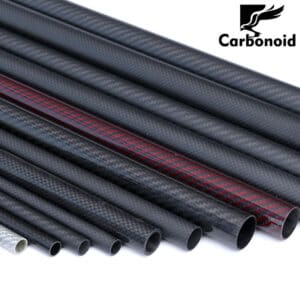
Carbon fiber tubes have become a game-changer in the aerospace industry, offering a unique combination of strength, lightweight, and versatility that is unmatched by traditional materials. As the demand for more efficient and advanced aircraft continues to grow, the adoption of carbon fiber tubes has become increasingly crucial, providing aerospace manufacturers and suppliers with a competitive edge.
Unmatched Strength-to-Weight Ratio
One of the primary advantages of carbon fiber tubes in aerospace is their exceptional strength-to-weight ratio. Compared to traditional materials like aluminum or steel, carbon fiber tubes are significantly lighter while maintaining superior structural integrity. This lightweight yet robust nature is particularly crucial in the aerospace industry, where every ounce of weight reduction translates to improved fuel efficiency, increased payload capacity, and enhanced overall aircraft performance.
Enhanced Corrosion Resistance
Aerospace applications often expose materials to harsh environmental conditions, including exposure to moisture, chemicals, and extreme temperatures. Carbon fiber tubes excel in this regard, offering superior corrosion resistance and durability. Unlike metal components, carbon fiber tubes are not susceptible to oxidation or corrosion, which can compromise the structural integrity of aircraft over time. This enhanced resistance to environmental factors ensures longer service life and reduced maintenance requirements for aerospace components.
Design Flexibility and Customization
Carbon fiber tubes provide aerospace manufacturers with a remarkable degree of design flexibility and customization. These tubes can be tailored to meet specific dimensional, strength, and weight requirements for a wide range of aerospace applications, from airframes and landing gear to satellite structures and drone components. This versatility allows engineers to optimize the design of aircraft and aerospace systems, improving overall efficiency and performance.
Cost-Effective and Sustainable Solutions
While the initial cost of carbon fiber tubes may be higher than traditional materials, the long-term benefits often outweigh the upfront investment. The reduced weight and enhanced durability of carbon fiber tubes can lead to significant fuel savings and extended service life, ultimately resulting in lower operating costs for aerospace companies. Additionally, the recyclable nature of carbon fiber materials contributes to the sustainability of the aerospace industry, aligning with the growing emphasis on environmentally-conscious manufacturing practices.
Applications of Carbon Fiber Tubes in Aerospace
The versatility of carbon fiber tubes has led to their widespread adoption across various aerospace applications. Some of the key areas where these advanced materials are utilized include:
Airframe and Structural Components
Carbon fiber tubes are extensively used in the construction of aircraft airframes, providing the necessary strength and rigidity while reducing overall weight. These tubes are employed in the design of fuselages, wings, and other structural components, enhancing the overall performance and efficiency of the aircraft.
Landing Gear and Braking Systems
The lightweight yet durable nature of carbon fiber tubes makes them an ideal choice for landing gear and braking systems. These components are subjected to significant stress and strain during takeoff and landing, and carbon fiber tubes offer the strength and reliability required to withstand these demanding conditions.
Satellite and Spacecraft Structures
In the space exploration sector, carbon fiber tubes are extensively used in the construction of satellite and spacecraft structures. Their exceptional strength-to-weight ratio and resistance to thermal expansion make them crucial for the design of lightweight, yet sturdy, space-based systems.
Unmanned Aerial Vehicles (UAVs) and Drones
The aerospace industry's growing focus on unmanned aerial vehicles (UAVs) and drones has further highlighted the benefits of carbon fiber tubes. These lightweight, high-strength tubes are ideal for the construction of drone frames and other critical components, enabling longer flight times, increased payload capacity, and improved overall performance.
Considerations for B2B Buyers
For B2B buyers in the aerospace industry, the selection of the right carbon fiber tube supplier is crucial. When evaluating potential partners, it is essential to consider the following factors:
Quality and Certification
Aerospace applications demand the highest standards of quality and safety. B2B buyers should prioritize suppliers that can provide carbon fiber tubes that meet or exceed industry certifications, such as AS9100 or NADCAP, ensuring the reliability and airworthiness of the components.
Manufacturing Capabilities
Aerospace manufacturers often have specific requirements for the dimensions, tolerances, and customization of carbon fiber tubes. B2B buyers should assess a supplier's manufacturing capabilities, including their ability to produce custom-tailored tubes to meet the unique needs of their aerospace projects.
Supply Chain Reliability
Consistent and reliable supply is critical in the aerospace industry, where production schedules and delivery timelines are often tight. B2B buyers should evaluate a supplier's track record of on-time deliveries, inventory management, and responsiveness to ensure a smooth and uninterrupted supply of carbon fiber tubes.
Technical Support and Expertise
The integration of carbon fiber tubes into aerospace applications can be complex, requiring specialized knowledge and expertise. B2B buyers should seek suppliers that can provide comprehensive technical support, including design assistance, material selection guidance, and post-sales support, to ensure the successful implementation of carbon fiber tubes in their aerospace projects.
Conclusion
As the aerospace industry continues to evolve, the demand for lightweight, high-performance materials like carbon fiber tubes will only continue to grow. These advanced materials offer a unique combination of strength, weight savings, and design flexibility that is unmatched by traditional materials, making them an essential component in the pursuit of more efficient and innovative aircraft and aerospace systems.
For B2B buyers in the aerospace industry, the selection of the right carbon fiber tube supplier is crucial, as it can have a significant impact on the overall performance, reliability, and cost-effectiveness of their aerospace projects. By prioritizing quality, manufacturing capabilities, supply chain reliability, and technical expertise, B2B buyers can ensure that they are leveraging the full potential of carbon fiber tubes to drive innovation and success in the aerospace sector.